

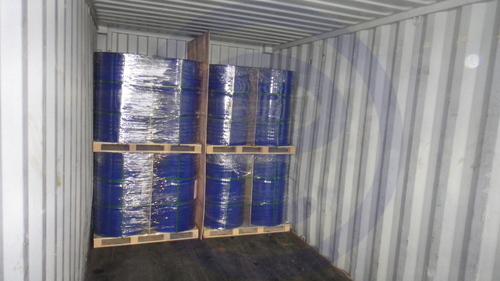
Sulfolane
Product Details:
- HS Code 2930
- Ph Level Neutral (approx. 7)
- Shape Liquid
- Usage Used in the extraction of aromatics and in gas purification.
- Appearance Colorless Clear Liquid
- Physical Form Liquid
- Smell Very slight characteristic odor
- Click to View more
X
Sulfolane Price And Quantity
Sulfolane Product Specifications
- Neutral (approx. 7)
- 2930
- Colorless Clear Liquid
- Used in the extraction of aromatics and in gas purification.
- Liquid
- Liquid
- Very slight characteristic odor
- C4H8O2S
- 2 years
- 204-783-1
- 1.435 at 20°C
- Industrial Grade
- NO
- Bland
- 1.262 Gram per cubic centimeter(g/cm3)
- C4H8SO2 (1,1-dioxothiolane)
- Colorless, Polar, Stable, Miscible with water and many organic solvents, High chemical and thermal stability.
- 27.5°C
- 126-33-0
- Miscible with water and most organic solvents
- Extraction solvent in aromatic, gas treating and purification processes, high-boiling solvent for chemical synthesis, specialty solvent for the manufacture of polymers.
- 99%
- Organic Compound
- Store in tightly closed containers, in a cool and well-ventilated place away from heat sources and moisture.
- Sulfolane
- 120.17 g/mol
- 530C
- 0.05 mmHg at 25C
- Non-hazardous for transport
- Stable under normal conditions
- 165C (closed cup)
- 285C
- Not classified as hazardous
- 10.3 cP at 30C
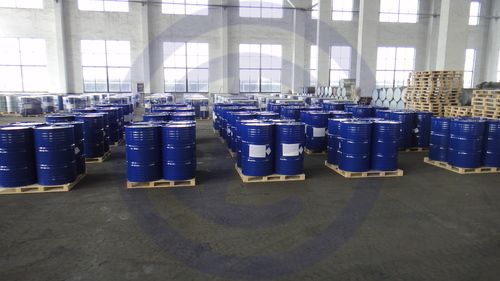
- HDPE drum / ISO tank
Product Description
Sulfolane (tetramethylene Sulfone) is organic solvent with CAS 126-33-0.
Chemical Formula: C4H8O2S
Mainly used as reagent for aromatic extraction from hydrocarbons, for gas treatment, as solvent in petrochemical industry, for dyestuff, printing inks, agrochemicals production, as medical intermediate, for electronics and other.
Sulfolane assay 99.5% min. There are anhydrous and aqueous sulfolane
Key Industrial Applications
Sulfolane serves as a specialty solvent in the extraction of aromatic hydrocarbons, natural gas treatment, and diverse purification operations owing to its excellent selectivity and stability. Its high boiling point and miscibility with numerous substances make it integral to chemical synthesis and polymer production industries, enhancing efficiency and product quality.
Safe Handling and Storage Recommendations
Although sulfolane is not classified as hazardous or poisonous, it is best stored in tightly sealed HDPE drums or ISO tanks, away from moisture and heat sources. Proper storage ensures up to two years of shelf life and maintains its stability and effectiveness for various industrial uses.
Benefits of Using Sulfolane
Sulfolanes polar nature, outstanding chemical stability, and ability to mix with water and organic solvents provide a high degree of versatility and reliability. Its non-hazardous status makes transportation and workplace handling safer, appealing to manufacturers and exporters.
FAQs of Sulfolane:
Q: How is sulfolane typically used in industrial processes?
A: Sulfolane is most commonly utilized as a solvent for extracting aromatics, purifying gases, and facilitating chemical synthesis, including polymer manufacture. Its role is essential where high selectivity and thermal stability are required.Q: What benefits does sulfolane offer compared to other solvents?
A: Sulfolane exhibits superior chemical and thermal stability, a high boiling point, and miscibility with a wide range of solvents. These traits enhance process safety and efficiency, making it highly suitable for demanding industrial applications.Q: When should sulfolane be stored or handled with extra precautions?
A: While sulfolane is non-hazardous, it should always be stored in tightly closed containers such as HDPE drums or ISO tanks. Avoid exposure to direct heat and moisture to retain its quality and extend shelf life.Q: Where can sulfolane be sourced or supplied from in India?
A: Sulfolane is distributed, exported, manufactured, and supplied by multiple recognized suppliers, with India being a significant hub. Contacting local distributors or manufacturers is the most effective way to obtain it in the desired quantity or grade.Q: What is the process for using sulfolane in gas purification?
A: In gas purification, sulfolane acts as a solvent to selectively absorb impurities, especially aromatic compounds, from gas streams. Its high solvency power and stability enable effective and repeated use in continuous processing systems.Q: What are the main safety considerations for transporting sulfolane?
A: Sulfolane is classified as non-hazardous for transport. It should be packed securely in approved containers such as HDPE drums or ISO tanks, in order to guard against leaks or contamination during transit.Q: How does using sulfolane improve extraction processes?
A: Due to its polarity, stability, and miscibility, sulfolane provides high selectivity and efficiency in extracting target compounds, such as aromatics, leading to higher yield and purity of the final products.Tell us about your requirement

Price:
Quantity
Select Unit
- 50
- 100
- 200
- 250
- 500
- 1000+
Additional detail
Mobile number
Email

Other Products in 'Oil And Gas Industry' category

Mainland Address
ChemPartners
- 3203, 12, Jianwai SOHO, Chaoyang, Beijing - 100022, China
- Phone :86-10-58695218
- Ms Yulia Pyankova (Export Manager)
- Mobile :+861058695218
- Send Inquiry
 Send Inquiry
 Send Inquiry
 |
ChemPartners
All Rights Reserved.(Terms of Use) Developed and Managed by Infocom Network Private Limited. |
