

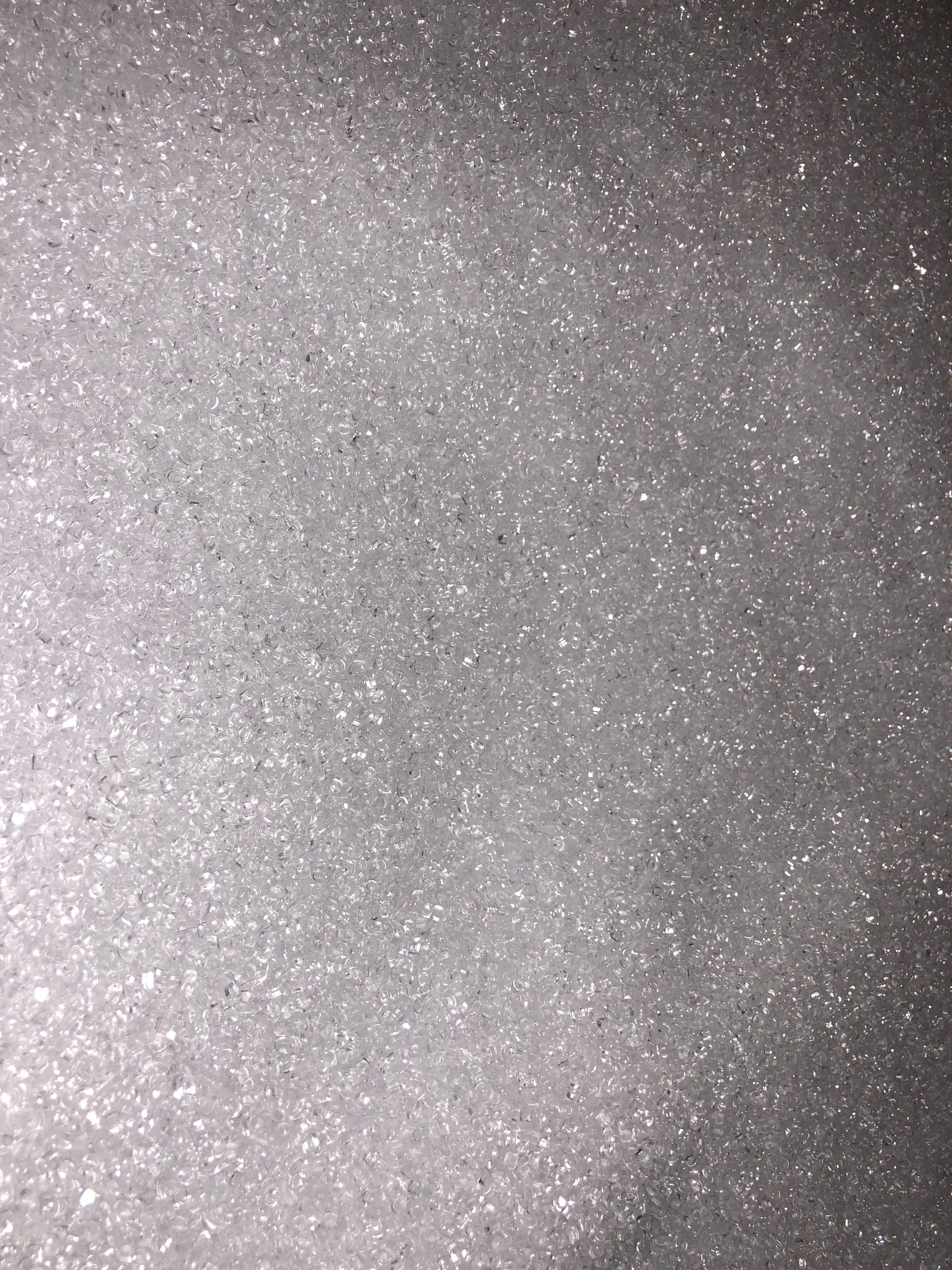
Polymethyl methacrylate (PMMA)
Product Details:
- Properties High transparency, excellent weather resistance, impact resistance, good UV stability, lightweight, non-toxic, electrical insulator
- CAS No 9011-14-7
- Storage Store in a cool, dry place away from direct sunlight and heat sources
- EINECS No 202-818-5
- HS Code 39069090
- Application Optical lenses, displays, automotive parts, signage, medical devices, barriers, lighting, glazing
- Melting Point 160°C - 200°C
- Click to View more
X
Polymethyl methacrylate (PMMA) Price And Quantity
Polymethyl methacrylate (PMMA) Product Specifications
- Odorless
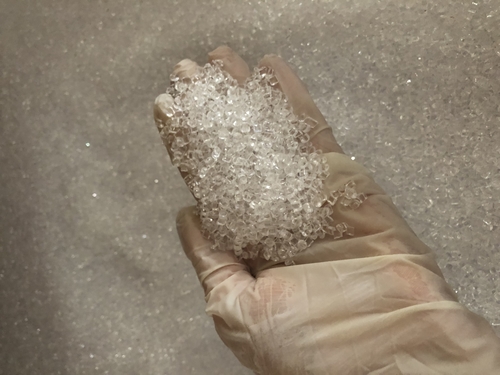
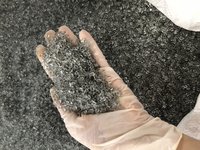
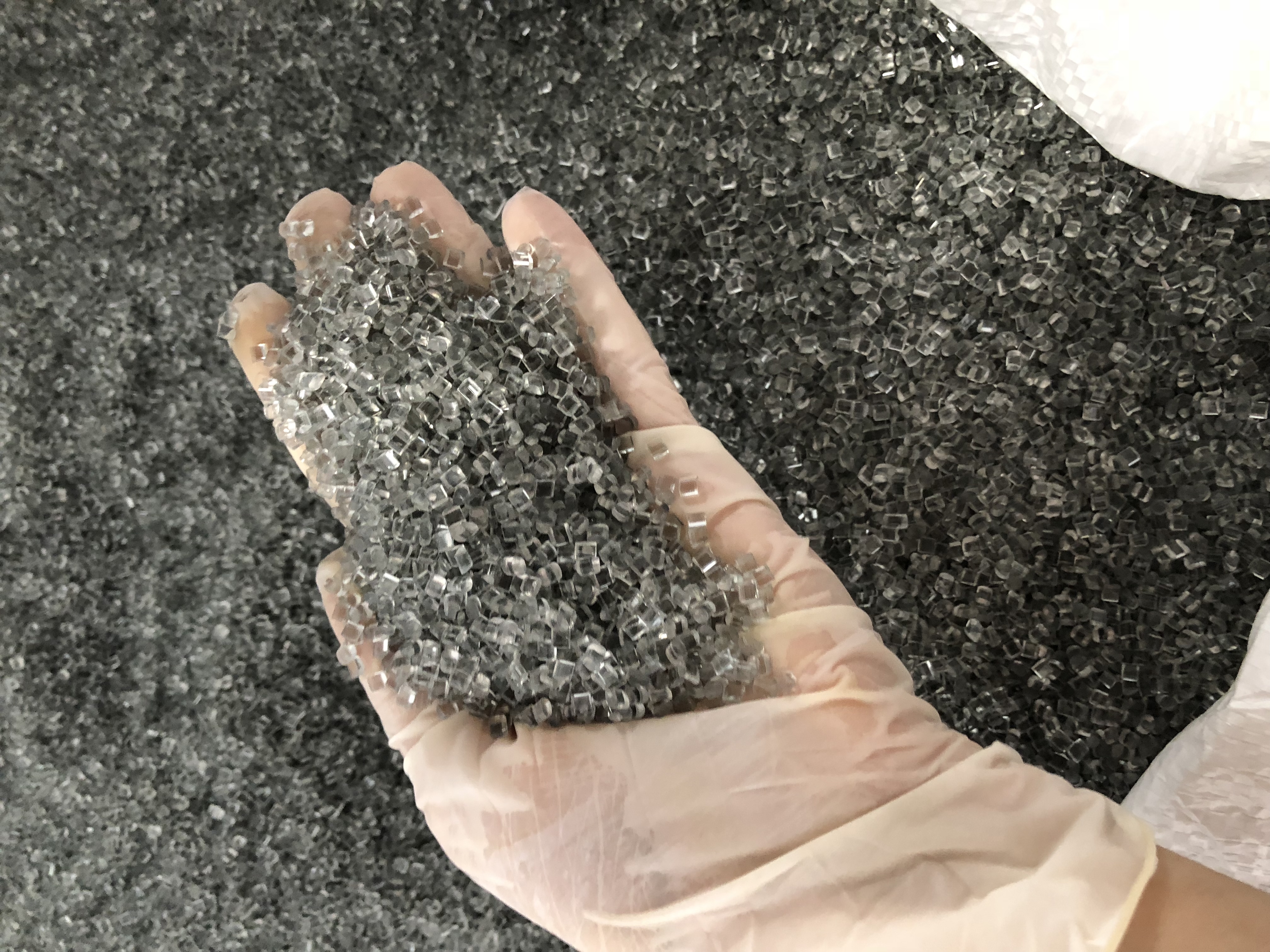
- Granules, Sheets, Pellets, Blocks
- Solid (Granules, Sheets, Pellets, Powder)
- >99%
- ~1.49
- Polymethyl methacrylate
- Neutral (pH 7 in aqueous extract)
- Non-poisonous
- (C5O2H8)n or (C5H8O2)n
- Industrial, Optical, Medical
- Polymer (Thermoplastic)
- Odorless, tasteless
- Varies (Typically ~100,000 g/mol as polymer)
- 1.20 Gram per cubic centimeter(g/cm3)
- Indefinite if properly stored
- Used where clarity, strength, and weather resistance are required
- [-CH2-C(CH3)(COOCH3)-]n
- Transparent or translucent solid
- Optical lenses, displays, automotive parts, signage, medical devices, barriers, lighting, glazing
- 39069090
- 160°C - 200°C
- Insoluble in water, soluble in organic solvents (e.g., acetone, chloroform)
- 202-818-5
- Store in a cool, dry place away from direct sunlight and heat sources
- 9011-14-7
- High transparency, excellent weather resistance, impact resistance, good UV stability, lightweight, non-toxic, electrical insulator
- 0.19 W/mK
- ~105C
- M 90-105
- ~16 kJ/m2 (Notched Izod)
- 200C - 250C (extrusion/molding)
- ~50-75 MPa
- Excellent; does not yellow easily
- ~0.3% (24h, 23C)
- ~90-120 MPa
- >92%
- Flammable, burns with a blue flame
Product Description
Polymethylmethacrylate (PMMA)
Typical specification
| Characteristic | Test method | Item | Standard |
| Melt Flow Rate (230C/3.8 kg) | ASTM D 1238 | G/10 MIN | 3.7 |
| Specific Gravity | ASTM D792 | - | 1.19 |
| Mold Shrinkage | ASTM D955 | % | 0.2-0.6 |
| Water Absorption (24 hr immersion) | ASTM D570 | % WEIGHT | 0.3 |
| Tensile Strength at maximum | ASTM D638 | PSI | 10.200 |
| Tensile Elongation at Break | ASTM D638 | % | 6 |
| Tensile Modulus | ASTM D638 | PSI | 450.000 |
|
| ASTM D790 | PSI | 15.000 |
| Rockwell Hardness, Scale M | ASTM D785 | - | 93 |
| HDT (High Deformation Temperature) (0.455 MPA; annealed) | ASTM D648 | F | 221 |
| HDT (High | ASTM D648 | F | 216 |
| Vicat Softening Point (50C/hr; 10N) | ASTM D1525 | F | 232 |
| Vicat Softening Point (50C/hr; 50N) | ASTM D1525 | F | 219 |
| Thermal Conductivity | ASTM C177 | BTU/HR*FT2*F/IN | 1.3 |
| Flammability | ASTM UL94 | CLASS | HB |
| Refractive Index (Nd at 72 F) | ASTM D542 | - | 1.49 |
| Luminous Transmittance (0.125 in/3.2 mm) | ASTM D1003 | % | 92 |
| Haze (0.125 in/3.2 mm) | ASTM D1003 | % | <1 |
Exceptional Optical and Mechanical Properties
PMMA stands out due to its high light transmission rate, surpassing 92%, and sturdy mechanical performance with notable tensile and flexural strength. Its refractive index of about 1.49 makes it ideal for demanding optical applications, providing both clarity and toughness for displays, lenses, and windows.
Superior Weather and UV Resistance
One of PMMAs defining features is its excellent resistance to UV light, which prevents yellowing and material degradation over time. This property ensures reliability in outdoor and exposed environments, maintaining transparency and mechanical integrity in barriers, signage, and automotive components.
Safe, Versatile, and Reliable Solutions
PMMA is an odorless, non-toxic polymer suitable for various applications, including medical devices and food contact situations. Its solid form factor (sheets, pellets, granules) and neutral pH facilitate safe handling and long-term storage, offering indefinite shelf life when protected from heat and direct sunlight.
FAQs of Polymethyl methacrylate (PMMA):
Q: How is PMMA typically processed into finished products?
A: Polymethyl methacrylate is commonly processed using extrusion or molding techniques at temperatures between 200C and 250C. These methods allow the material to be shaped into sheets, pellets, or other forms, depending on the intended application.Q: What are the main benefits of using PMMA in optical and medical applications?
A: PMMAs high transparency, excellent impact strength, and resistance to UV degradation make it ideal for optical lenses, displays, lighting components, and medical devices. It maintains clarity over time and is safe for use due to its non-toxic, odorless, and tasteless nature.Q: When should PMMA be chosen over glass or other plastics?
A: PMMA is preferred in applications requiring lightweight materials with high optical clarity, reliable weather resistance, and strong impact strength. Its resistance to yellowing and durability make it suitable for outdoor signage, automotive glazing, and protective barriers where glass or other plastics may not perform as well.Q: Where can PMMA be stored to preserve its quality?
A: PMMA should be stored in a cool, dry place, away from direct sunlight and heat sources. Proper storage helps maintain its transparency, mechanical properties, and extends shelf life indefinitely.Q: What is the process for recycling or disposing of PMMA?
A: PMMA can be mechanically recycled, but should not be incinerated due to its flammable nature and blue flame combustion. It is insoluble in water but dissolves in organic solvents. Always dispose of PMMA in accordance with local regulations to minimize environmental impact.Q: What safety measures should be taken while handling PMMA?
A: While PMMA is non-poisonous and safe to handle, it is flammable and should be kept away from open flames or high heat sources. When processing, ensure proper ventilation to avoid inhaling any fumes from organic solvents.Tell us about your requirement

Price:
Quantity
Select Unit
- 50
- 100
- 200
- 250
- 500
- 1000+
Additional detail
Mobile number
Email

Other Products in 'Polymer Industry' category

Mainland Address
ChemPartners
- 3203, 12, Jianwai SOHO, Chaoyang, Beijing - 100022, China
- Phone :86-10-58695218
- Ms Yulia Pyankova (Export Manager)
- Mobile :+861058695218
- Send Inquiry
 Send Inquiry
 Send Inquiry
 |
ChemPartners
All Rights Reserved.(Terms of Use) Developed and Managed by Infocom Network Private Limited. |
