

Polymethylene polyphenylene isocyanate (MDI)
Product Details:
- Appearance Dark brown liquid
- Molecular Weight 250.25 g/mol (approx. for monomer); polymeric forms vary
- Application Production of polyurethane foams, elastomers, coatings, adhesives, sealants
- Molecular Formula CH2[(C6H4)NCO]n
- Grade Industrial Grade
- Structural Formula Polymeric MDI structure - [-C6H4-NCO-CH2-]n
- Density 1.22 Gram per cubic centimeter(g/cm3)
- Click to View more
X
Polymethylene polyphenylene isocyanate (MDI) Price And Quantity
Polymethylene polyphenylene isocyanate (MDI) Product Specifications
- Polymethylene polyphenylene isocyanate (MDI)
- 9016-87-9
- 10 to 15°C
- Insoluble in water; soluble in organic solvents
- Highly reactive isocyanate; moisture sensitive; non-flammable; reacts exothermically with water; forms polyurethanes
- 12 months if stored properly
- Pungent, characteristic isocyanate odor
- Used as a raw material/intermediate in chemical and industrial processes
- Liquid
- >99%
- Store in tightly sealed containers, away from moisture and direct sunlight, under cool and dry conditions
- Liquid
- 618-498-9
- 1.22 Gram per cubic centimeter(g/cm3)
- Polymeric MDI structure - [-C6H4-NCO-CH2-]n
- Organic Compound
- 29291020
- YES
- Production of polyurethane foams, elastomers, coatings, adhesives, sealants
- CH2[(C6H4)NCO]n
- Industrial Grade
- Dark brown liquid
- 250.25 g/mol (approx. for monomer); polymeric forms vary
- <0.0001 mmHg at 25C
- Stable under recommended storage conditions
- >200C (decomposes)
- Use with adequate ventilation; personal protective equipment required
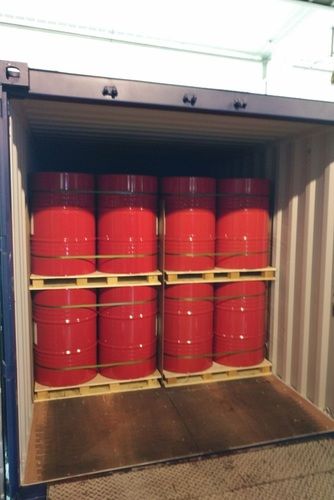
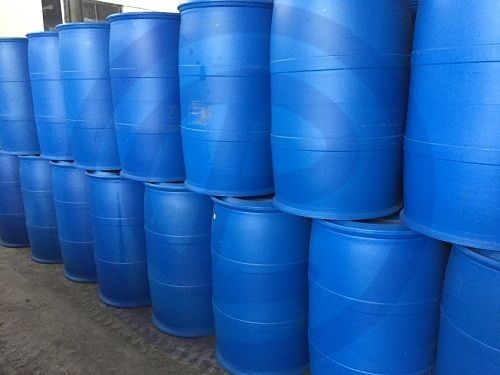
- Drums or IBC tanks
- >200C (closed cup)
- Toxic by inhalation, skin contact, and ingestion
- 150-250 mPas at 25C
Product Description
Typical specification
Polymethylene polyphenylene isocyanate
| Item | Standard |
| Appearance | Brown liquid |
| Viscosity at 25C, mPa·s | 150-250 |
| NCO Content, % | 30.5-32.0 |
| Hydrolysable Chlorides, % | 0.2max |
| Acid Content, % | 0.03max |
| Density at 25C,g/cm3 | 1.220-1.250 |
Applications in Polyurethane Manufacturing
MDI is a critical intermediate in the production of polyurethane-based foams, coatings, elastomers, adhesives, and sealants. Its high reactivity allows it to form robust polymer structures, making it a preferred choice in industries like construction, automotive, and furniture manufacturing. MDI imparts durability, insulation, and flexibility to finished products, enhancing their performance characteristics.
Safety Precautions and Handling
Due to its toxicity and reactive nature, MDI must be handled with extensive safety measures. Personal protective equipment, including gloves and ventilation masks, is mandatory. The liquid should be stored in tightly sealed drums or IBC tanks, away from moisture and direct sunlight, under cool and dry conditions. Proper procedures reduce risk and maintain product quality throughout its shelf life.
Storage and Stability Considerations
MDI demonstrates stable properties when stored according to manufacturer recommendations. It should be kept in air-tight containers under cool, dry conditions. Proper storage extends its shelf life up to 12 months and prevents hazardous moisture-initiated reactions or decomposition. Maintaining stability ensures consistent performance in industrial applications.
FAQs of Polymethylene polyphenylene isocyanate (MDI):
Q: How should Polymethylene polyphenylene isocyanate (MDI) be stored to ensure stability?
A: MDI should be stored in tightly sealed containers such as drums or IBC tanks, away from moisture and direct sunlight, and under cool, dry conditions. These measures help maintain its stability and extend shelf life up to 12 months.Q: What precautions are necessary when handling MDI in industrial settings?
A: When handling MDI, its vital to use proper personal protective equipment, such as gloves, goggles, and respirators. Ensure adequate ventilation to minimize inhalation risks, and avoid skin contact or ingestion, as MDI is toxic by all routes.Q: Where is MDI commonly used in industrial processes?
A: MDI is widely used in manufacturing polyurethane foams, elastomers, coatings, adhesives, and sealants. Industries like construction, automotive, and furniture depend on MDI for its high reactivity and performance-enhancing properties.Q: What benefits does MDI offer in polyurethane production compared to other isocyanates?
A: MDIs highly reactive nature leads to the formation of durable, resilient polymers. Its non-flammability and moisture sensitivity contribute to safe processing with proper controls, providing flexibility, strength, and insulation in end products.Q: When does MDI decompose, and what should be avoided during processing?
A: MDI decomposes at temperatures above 200C. It should never be exposed to high heat or moisture, as these conditions can trigger hazardous decomposition or exothermic reactions, impacting safety and product integrity.Q: What is the process for using MDI as a raw material in polyurethane applications?
A: MDI is blended with polyols during polyurethane manufacturing. The isocyanate reacts exothermically, forming solid polymers used in foams, coatings, and other materials. This controlled chemical process is fundamental to creating diverse polyurethane products.Tell us about your requirement

Price:
Quantity
Select Unit
- 50
- 100
- 200
- 250
- 500
- 1000+
Additional detail
Mobile number
Email

Other Products in 'Polymer Industry' category

Mainland Address
ChemPartners
- 3203, 12, Jianwai SOHO, Chaoyang, Beijing - 100022, China
- Phone :86-10-58695218
- Ms Yulia Pyankova (Export Manager)
- Mobile :+861058695218
- Send Inquiry
 Send Inquiry
 Send Inquiry
 |
ChemPartners
All Rights Reserved.(Terms of Use) Developed and Managed by Infocom Network Private Limited. |
